


Swimming Pool Leak Detection
Tracking Down Water Loss Before It Worsens
Swimming Pool Leak Detection in Fort Worth for recurring water-level drops that exceed normal evaporation
Water levels drop in every pool due to evaporation, but when you're adding water more than once a week or noticing soft spots in the surrounding deck, the loss points to a leak rather than environmental conditions. Blazin Blue Pools provides swimming pool leak detection in Fort Worth using systematic evaluation to isolate whether water is escaping through the shell, plumbing lines, or equipment connections. Guessing at the source wastes time and money on repairs that don't address the actual problem, while accurate detection narrows the issue to a specific area before excavation or component replacement begins.
The detection process involves inspecting visible surfaces for cracks or separations, pressure-testing plumbing lines to identify leaks within buried pipes, and using dye tests or electronic listening equipment to trace water movement. Some leaks show obvious signs like saturated soil or eroded areas around the pool, while others remain hidden until testing isolates the failing section.
Request professional leak detection if you notice water levels dropping faster than explained by heat and wind alone.
How Undetected Leaks Cause Larger Problems
When a pool loses water through a crack in the shell or a break in an underground return line, the escaping water saturates the soil beneath the deck and around the structure. Over time, this erosion creates voids that cause the deck to settle, destabilizes the pool shell, and leads to additional cracking that worsens the original leak.
Once the leak is located and repaired, water levels remain stable without constant refilling, your water bill drops to normal usage, and the risk of further structural damage from soil erosion stops progressing. Accurate detection eliminates the need to replace entire sections of plumbing or break up large portions of decking when the actual leak exists in a small, identifiable area.
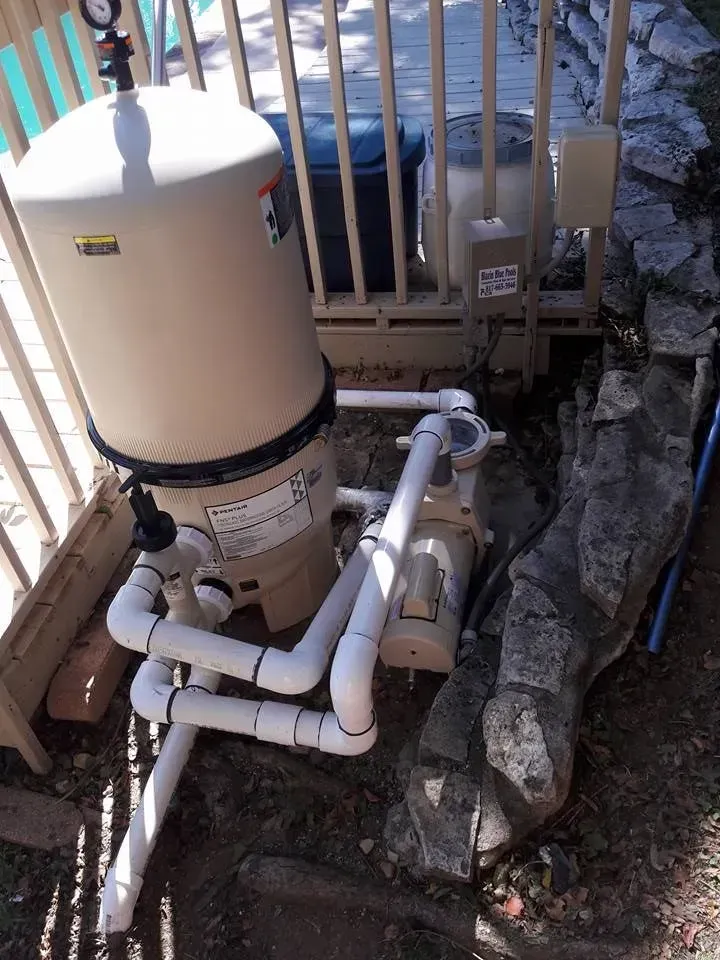
Detection methods vary depending on where the leak is suspected. Pressure testing isolates problems within specific plumbing zones, dye tests trace flow through visible cracks, and acoustic equipment detects the sound of water escaping from buried lines that show no surface evidence.
Questions Homeowners Have About Leak Detection
Most questions about leak detection focus on distinguishing normal water loss from actual leaks and understanding what happens after the source is identified.
How much water loss is normal before suspecting a leak?
Evaporation in Fort Worth during summer can account for a quarter-inch or more per day depending on heat, wind, and humidity, but losses beyond that level or persistent drops during cooler months suggest a leak.
What does pressure testing involve and how does it locate leaks?
Pressure testing isolates sections of plumbing by sealing them off and monitoring whether pressure drops over time, which indicates escaping water within that zone before excavation begins.
Can a leak be present without visible wet spots around the pool?
Leaks in deeper plumbing lines or through the shell below the waterline drain into soil that absorbs the water without creating surface puddles, making detection equipment necessary to trace the loss.
What happens after the leak is found?
Repair depends on location—shell cracks are patched or resurfaced, broken plumbing lines are excavated and replaced, and equipment connections are resealed or rebuilt to stop further loss.
Why does water loss sometimes increase after the pool has been running fine for years?
Plumbing connections loosen as the ground shifts, shells develop cracks as they age and settle, and equipment seals degrade after years of heat and chemical exposure.
Blazin Blue Pools performs systematic leak detection for pools throughout Fort Worth to prevent prolonged water loss and worsening structural damage. Call (817) 663-3946 to request an evaluation if your water levels won't stay consistent.