Step‑by‑Step Guide: How We Build Your Dream Pool From Design to Dive‑In
Creating a backyard oasis is more than a luxury—it’s a lifestyle enhancement that transforms your home into a private retreat. A swimming pool serves not only as a focal point for relaxation and entertainment but also as a long-term investment in your property’s value and appeal. However, building a pool requires careful planning, design expertise, and precise execution to ensure both functionality and aesthetics. From the initial concept to the moment you take your first dive, understanding the process is crucial for homeowners who want a seamless, stress-free experience.
This guide walks you through the comprehensive journey of pool construction, explaining each step in detail and highlighting best practices, potential challenges, and key decisions you’ll encounter. Whether you’re considering a simple lap pool, a luxurious resort-style design, or a custom infinity pool, these insights will help you make informed choices. By understanding the entire process—from conceptual design and permitting to construction and final finishes—you’ll gain confidence in building a pool that matches your lifestyle, budget, and long-term expectations. This step-by-step overview ensures that your dream pool is realized with precision, safety, and lasting enjoyment.
1. Initial Consultation and Conceptual Design
Understanding Your Vision
The first stage in building a pool is articulating your vision. During initial consultations, homeowners are encouraged to share lifestyle preferences, intended usage, and aesthetic goals. Do you envision a tranquil retreat for relaxation, a space for active swimming, or an entertainment hub with a spa and waterfall features? These details shape the design direction and inform structural requirements. Real-world examples include families seeking a shallow play area for children alongside a deep-end for exercise, or homeowners requesting integrated outdoor kitchens and lounge areas to enhance entertainment possibilities.
Site Evaluation
A thorough site assessment ensures the pool design complements the existing landscape. Professionals evaluate soil conditions, drainage patterns, sunlight exposure, and property lines. These factors affect excavation planning, pool orientation, and overall safety. For instance, heavy clay soil may require additional structural support, while sloped terrains can inspire elevated pool designs with retaining walls or cascading water features. Site evaluation also considers local building codes and neighborhood regulations, ensuring compliance and preventing costly redesigns later in the project.
Preliminary Designs and 3D Visualization
Once the homeowner’s goals and site conditions are understood, designers produce preliminary layouts and 3D renderings. These visualizations allow homeowners to see the proposed pool’s size, shape, and integration with landscaping features. Advanced rendering technology can simulate water clarity, lighting effects, and surrounding plantings, providing a realistic preview. This stage is critical for adjusting proportions, refining materials, and ensuring the design aligns with the homeowner’s vision before moving to structural planning.
2. Permitting and Planning
Navigating Local Regulations
Before any construction begins, obtaining the necessary permits is essential. Local municipalities typically regulate pool placement, fencing requirements, electrical connections, and water management systems. Failure to secure proper permits can result in fines or project delays. Experienced builders anticipate regulatory requirements and guide homeowners through the submission process, including site plans, engineering documentation, and adherence to safety codes.
Budgeting and Timeline Development
With designs finalized, it’s time to develop a detailed budget and project timeline. A comprehensive budget accounts for materials, labor, permits, equipment, landscaping, and contingencies for unforeseen challenges. A realistic timeline outlines each construction phase, from excavation to plumbing installation and final inspection. Homeowners are advised to anticipate potential weather-related delays, particularly in regions prone to heavy rain or extreme heat, as these can impact excavation and curing times.
Material Selection
Choosing materials is both an aesthetic and functional decision. Options include gunite, fiberglass, and vinyl liner pools, each with advantages and trade-offs. Gunite pools offer ultimate customization and durability but require longer construction times. Fiberglass pools are faster to install with smooth surfaces that resist algae growth, while vinyl liners are cost-effective but may need replacement every 7–12 years. Additionally, homeowners select coping, tile, decking, and lighting elements, balancing visual appeal with durability and maintenance requirements.
3. Excavation and Structural Work
Excavation Process
Once permits and plans are secured, construction begins with excavation. Heavy machinery removes soil to form the pool cavity, following precise measurements to ensure accurate depth and slope. Excavation must account for safety and accessibility, with temporary barriers to prevent accidents. Challenges can arise from hidden rocks, underground utilities, or varying soil types, requiring adaptive engineering solutions. For instance, rocky terrain may necessitate blasting or specialized machinery to achieve the desired shape.
Structural Reinforcement
After excavation, the pool shell is reinforced with steel rebar to provide structural integrity. Rebar placement is critical for distributing stress and preventing cracking, particularly in areas prone to soil movement or freeze-thaw cycles. Gunite or shotcrete is then applied over the rebar, forming the solid pool shell. This phase requires precision and experience, as errors in reinforcement or application can compromise the pool’s lifespan. Proper curing of the concrete is essential, often taking several weeks, to ensure durability and resistance to water pressure.
Plumbing and Electrical Installation
Concurrently with shell construction, plumbing and electrical systems are installed. Plumbing lines deliver water to the pool, spa, and filtration systems, while electrical wiring powers pumps, heaters, lighting, and automation controls. Homeowners may choose energy-efficient pumps, LED lighting, and smart controls for remote operation. Professionals perform pressure tests on plumbing lines and verify electrical connections, reducing the risk of leaks or malfunctions that could disrupt pool operation.
4. Finishing and Aesthetic Enhancements
Surface Finishes
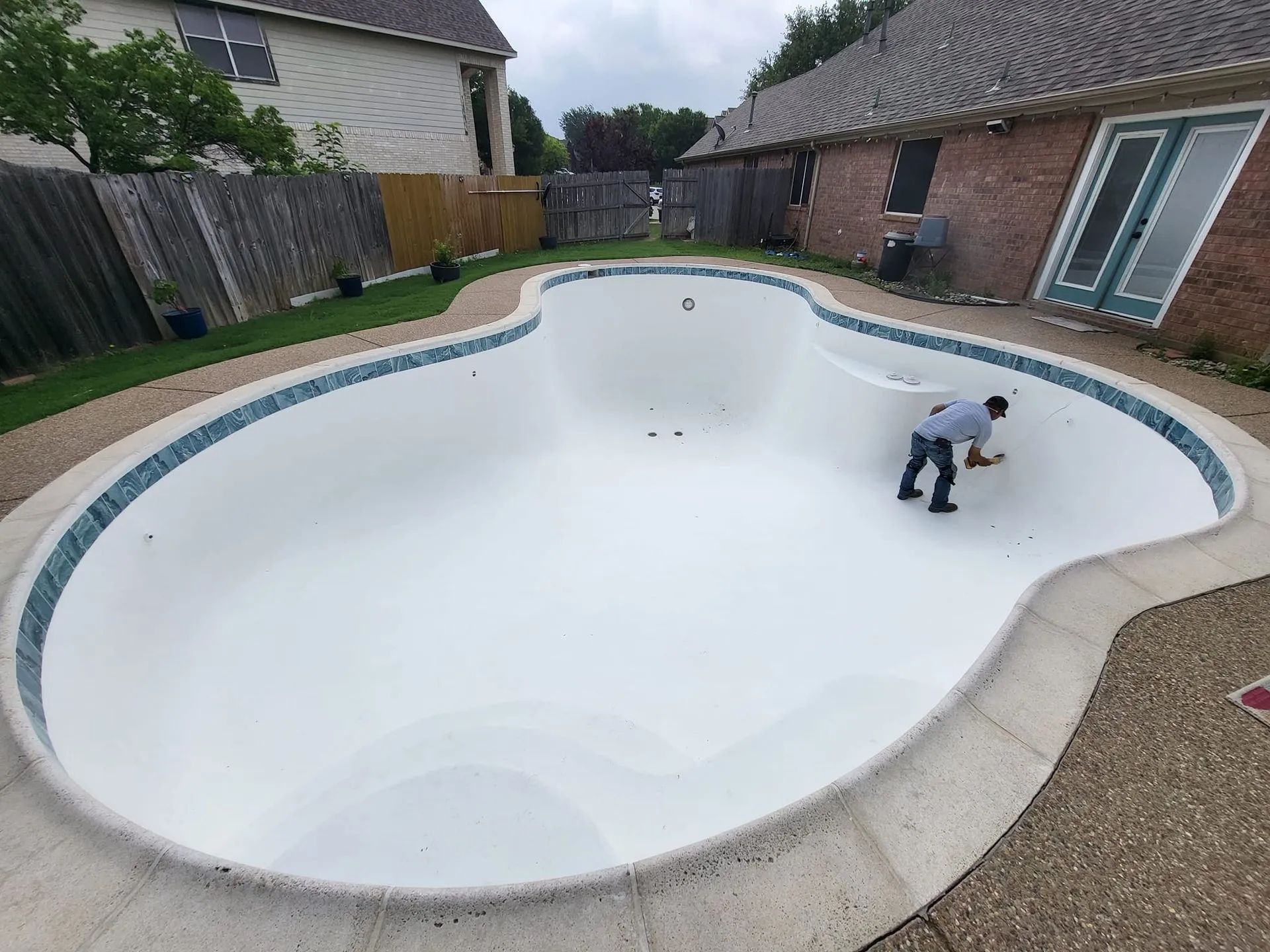
The interior surface of the pool affects both aesthetics and maintenance. Options include plaster, aggregate finishes, or fiberglass lining. Plaster provides a smooth, classic look, while aggregates—such as pebble or quartz blends—offer durability, enhanced texture, and water clarity. Fiberglass surfaces are naturally resistant to algae growth and require minimal maintenance. Finish selection also considers color schemes to complement landscaping and outdoor architecture.
Coping, Decking, and Landscaping
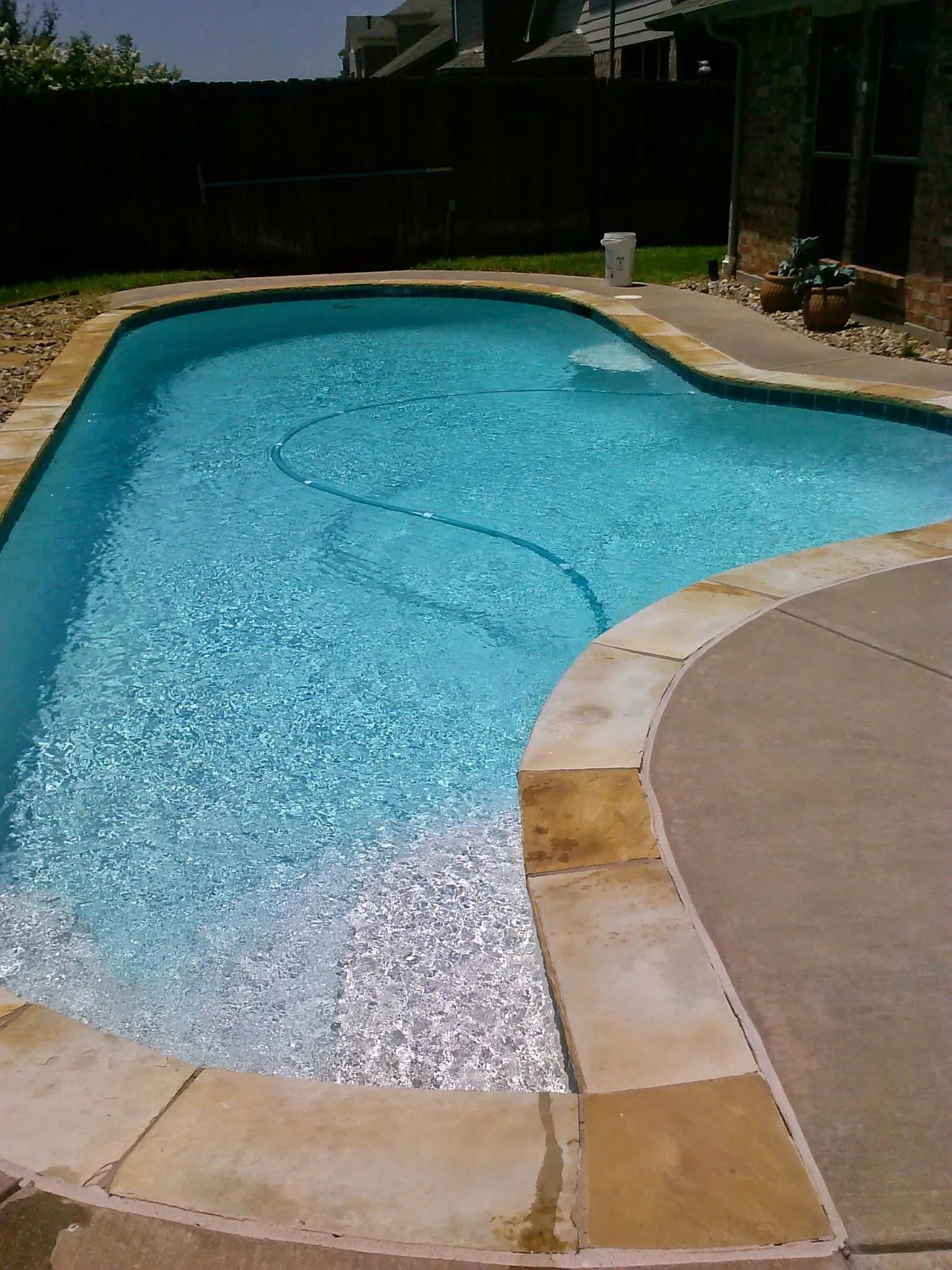
Coping and decking create a transition from pool to surrounding area, enhancing safety and visual appeal. Common materials include natural stone, concrete, pavers, and wood composites. The choice of decking affects slip resistance, heat absorption, and overall comfort underfoot. Landscaping further integrates the pool into the backyard, incorporating plantings, retaining walls, and outdoor living features. Waterfalls, fire features, and spa areas add luxurious touches, while shade structures and pergolas enhance usability during hot weather.
Water Treatment and Filtration Systems
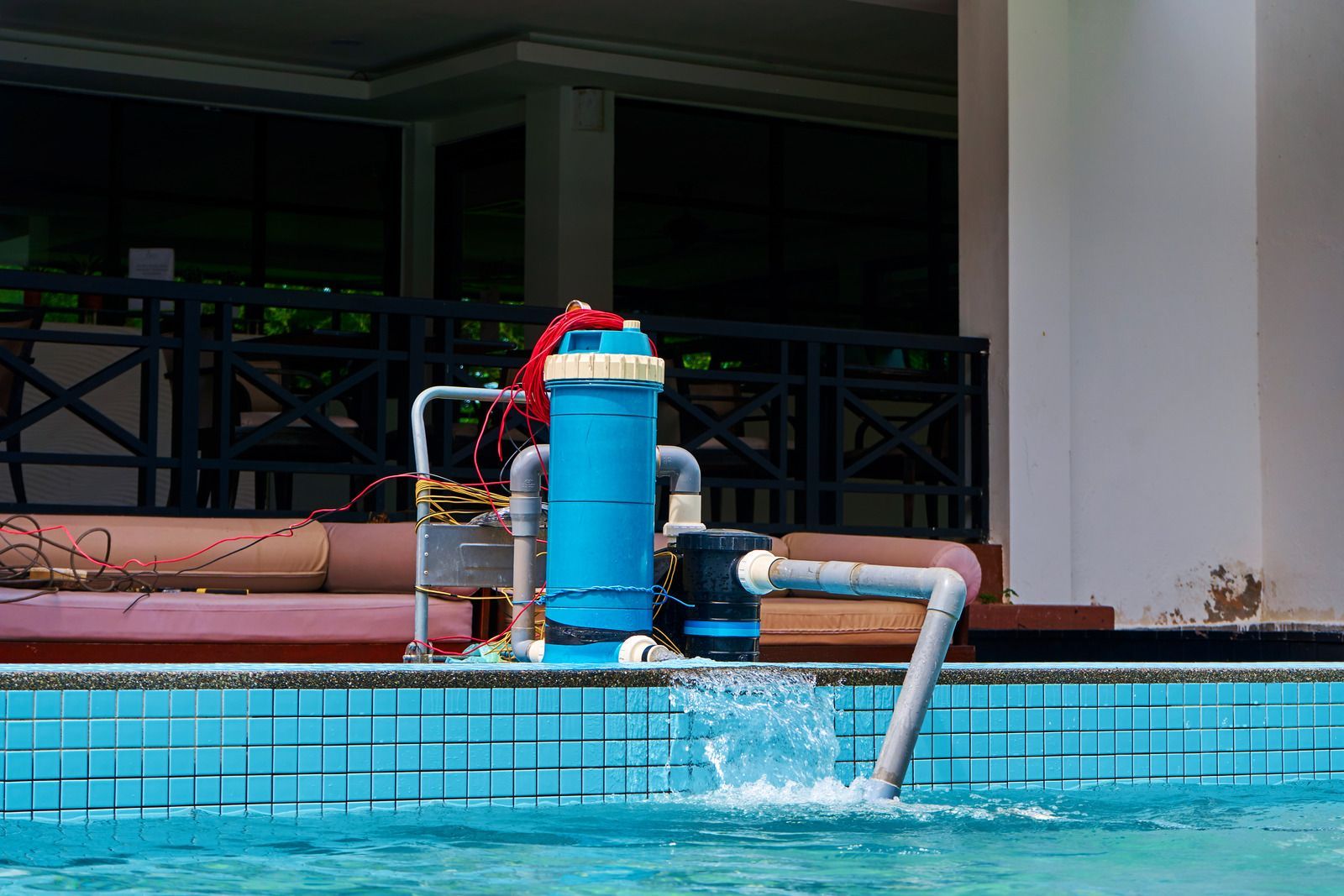
Proper water management ensures safety, hygiene, and clarity. Pool builders install filtration, chlorination, and automation systems tailored to the pool’s size and usage patterns. Automated systems can monitor pH, sanitizer levels, and temperature, reducing manual maintenance. Saltwater systems or mineral chlorination are popular alternatives for homeowners seeking softer water or reduced chemical usage. Expert installation and calibration of these systems prevent common issues such as algae blooms, scaling, or cloudy water, preserving the pool’s long-term appeal and functionality.
5. Quality Assurance and Safety Inspections
Pre-Fill Inspection
Before filling the pool with water, builders perform a detailed inspection to ensure structural integrity, correct plumbing connections, and proper electrical function. This stage identifies potential issues such as minor leaks, uneven surfaces, or misaligned fixtures that could compromise safety or performance. Homeowners are encouraged to participate in the walkthrough, learning operational basics and maintenance routines.
Filling and Balancing Water Chemistry
Once the pool passes inspection, it is filled with water, and the chemistry is carefully balanced. Proper pH, alkalinity, and sanitizer levels are essential for swimmer comfort and equipment longevity. Seasonal considerations, such as local water hardness and temperature fluctuations, are factored into ongoing maintenance planning. Professional guidance at this stage ensures that the pool remains clean, safe, and ready for immediate enjoyment.
Safety Features and Regulations
Compliance with safety regulations is non-negotiable. Builders install fencing, gates, and pool covers according to local codes to prevent accidents, especially when children or pets are present. Optional features include motion-sensor alarms, anti-entrapment drain covers, and non-slip surfaces. Adhering to these safety standards protects both homeowners and liability coverage while enhancing confidence in using the pool.
New Title
Trusted Experts Delivering Your Dream Pool Experience
Building a pool is a multifaceted journey that combines design vision, technical expertise, and meticulous execution. From initial consultations and site evaluation to excavation, structural work, finishing, and handover, every step requires careful planning and professional oversight. By understanding the construction process, homeowners can make informed decisions, anticipate potential challenges, and maximize both functionality and aesthetic appeal. Integrating modern technology, safety standards, and maintenance strategies ensures that your pool delivers enjoyment, relaxation, and long-term value.
Blazin Blue Pool Service
in Fort Worth, Texas, exemplifies the expertise and reliability required to bring dream pools to life. With over 20
years of experience in
swimming pool construction, our team combines design innovation, skilled craftsmanship, and rigorous quality standards to create backyard retreats that reflect each homeowner’s unique vision. We guide clients through every stage, from conceptualization and permitting to construction, finishing, and maintenance training. Our commitment to excellence ensures that your pool is not only visually stunning but also durable, safe, and easy to maintain. Homeowners trust Blazin Blue Pool Service
for our hands-on approach, attention to detail, and unwavering dedication to turning backyard dreams into reality. Whether it’s a family-friendly design, a luxurious spa addition, or a sophisticated entertainment pool, we deliver results that exceed expectations and invite years of enjoyment.