Signs Your Pool Needs a Renovation (Not Just a Repair)
A swimming pool is more than just a luxury feature—it is a long-term investment in home value, lifestyle, and personal enjoyment. Over time, even the most meticulously maintained pools begin to show signs of aging, wear, or outdated design. While minor repairs can address immediate concerns, certain issues indicate deeper structural or functional problems that cannot be resolved with simple fixes. Recognizing when a pool requires a full renovation instead of patchwork repairs is crucial for maintaining safety, performance, and aesthetic appeal.
Identifying the difference between repairable damage and renovation needs is not always obvious. Subtle signs, such as persistent water chemistry issues, recurring leaks, or deteriorating surfaces, may point to structural or mechanical concerns that necessitate professional intervention. Addressing these signs early prevents further damage, reduces long-term costs, and enhances overall enjoyment. Homeowners benefit from understanding the key indicators that signal a pool renovation is necessary, ensuring the investment continues to deliver value for years to come. This guide explores the most common signs indicating that a pool requires renovation rather than repair, providing actionable insights and expert reasoning to inform decisions.
1. Cracks, Chips, and Structural Damage
Surface Cracks and Wear
Small cracks in plaster, tile, or concrete may initially seem purely cosmetic, but they often reflect deeper underlying structural issues. Hairline cracks can gradually expand over time due to water pressure, soil movement, or temperature fluctuations during seasonal changes. If these cracks appear frequently or in multiple areas, patching becomes only a temporary solution, and a full resurfacing or renovation is often required to prevent leaks, long-term deterioration, and further structural compromise.
Leaks Beyond Minor Repairs
Water loss is a common pool issue experienced by many homeowners. While minor leaks in plumbing lines, fittings, or joints can be repaired temporarily, recurring water loss often indicates serious structural compromise. Pools experiencing constant leaks may have foundation settling, wall bowing, or failed concrete shells beneath the surface. Detecting these problems early through pressure testing or professional inspection can prevent extensive damage, avoid sudden costly repairs, and extend overall pool lifespan significantly.
Tile and Coping Damage
Worn, cracked, or missing tiles and damaged coping not only affect pool aesthetics but can also pose significant safety hazards. Loose tiles can lead to cuts or slips, while damaged coping may allow water to seep under the deck or pool walls, causing hidden erosion. Persistent issues in these areas signal the need for a renovation that includes resurfacing, re-tiling, updated coping, and structural reinforcement for safety and longevity.
2. Outdated or Inefficient Pool Equipment
Aging Pumps and Filters
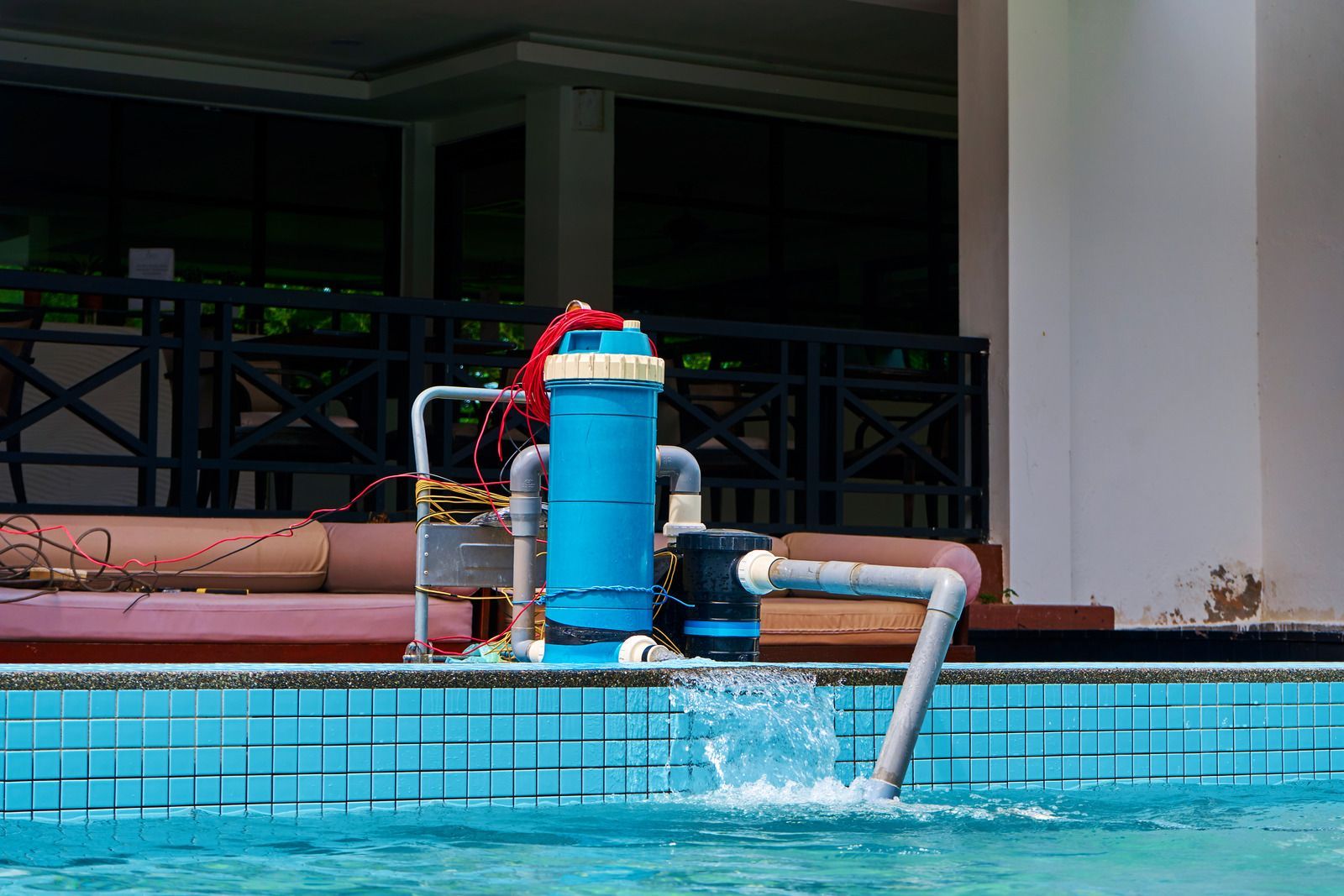
Pool circulation systems are critical for maintaining clean, safe, and chemically balanced water consistently. Pumps, filters, and heaters have finite lifespans, and older equipment often struggles to maintain proper flow rates, filtration efficiency, and energy performance. Continuous malfunctions, rising energy bills, or frequent repairs indicate that replacement or a full system renovation is far more cost-effective than patch repairs repeatedly attempted over time.
Heating and Automation Deficiencies
Modern pool technologies, including energy-efficient heaters, variable-speed pumps, and automated chemical systems, greatly improve both convenience and overall performance. Outdated or malfunctioning systems not only increase operational costs but may also compromise water quality, circulation, and safety. Renovation allows for the integration of advanced equipment that optimizes energy use, simplifies chemical maintenance, and enhances overall enjoyment for pool users.
Plumbing and Electrical Wear
Pipes, valves, and electrical connections deteriorate naturally over decades of consistent use and exposure. Corrosion, leaks, or inadequate electrical capacity for modern equipment can create serious safety risks and operational inefficiencies. Renovation that addresses plumbing and electrical systems ensures full compliance with current codes, enhances reliability, and supports long-term performance without recurring costly problems or unexpected malfunctions.
3. Persistent Water Quality Problems
Recurrent Chemical Imbalances
If a pool consistently experiences cloudy water, algae growth, or fluctuating pH and chlorine levels despite proper maintenance, underlying issues may exist. Porous surfaces, failing pumps, or compromised plumbing can prevent chemicals from circulating effectively, reducing water quality over time. Persistent water problems indicate structural or mechanical deficiencies that simple chemical adjustments cannot solve, making a full renovation a necessary step for healthy, safe water consistently.
Stains, Scaling, and Surface Corrosion
Hard water stains, mineral buildup, or rust spots on the pool surface reflect more than minor cosmetic concerns. These visible problems can damage pool finishes, reduce lifespan, and indicate aging surfaces, plumbing, or metal components in need of replacement. Renovation, including surface refinishing or replacement, addresses both aesthetics and function while ensuring long-term durability and reduced maintenance effort over the years.
Filtration System Inefficiencies
Filters that cannot consistently remove debris, combined with recurring water clarity problems, often suggest that equipment is undersized, worn, or incompatible with current pool demands. Renovation may involve upgrading filtration systems, pumps, or plumbing layouts to restore proper circulation, chemical balance, and overall water quality efficiently, ensuring a consistently safe and clear swimming environment for daily use.
4. Design and Functionality Limitations
Outdated Layouts and Features
Pool designs evolve continuously over time to meet modern lifestyle and aesthetic preferences. Older pools may lack contemporary features such as shallow lounging areas, waterfalls, spas, or energy-efficient lighting. A renovation provides an opportunity to update the layout, incorporate modern amenities, enhance usability, and significantly improve property value while transforming the pool into a visually appealing entertainment space.
Accessibility and Safety Concerns
Pools that do not meet current safety standards or lack ADA-compliant access points may pose serious hazards for children, elderly users, or guests. Renovation can include the addition of non-slip surfaces, updated fencing, ramps, and handrails to enhance overall safety, accessibility, and comfort, ensuring the pool is both functional and secure for all users over the long term.
Inefficient Space Utilization
Pools installed decades ago may no longer suit current usage patterns, family sizes, or recreational needs. Narrow decks, inefficient shapes, or poorly planned surrounding landscaping can significantly limit enjoyment and functionality. Renovation allows for reconfiguration of pool dimensions, optimized deck areas, and integrated landscaping, creating a more functional, visually appealing, and highly enjoyable outdoor living space.
5. Persistent Maintenance Challenges
High Maintenance Requirements
If maintaining water clarity, chemical balance, or equipment performance requires excessive time, effort, or specialized skill, it may indicate underlying inefficiencies. Pools that demand constant manual intervention for skimming, vacuuming, or chemical balancing benefit greatly from renovation that incorporates self-cleaning systems, modern circulation technology, and upgraded surfaces for reduced maintenance and improved efficiency over time.
Frequent Repair Costs
Ongoing minor repairs can accumulate to significant expenses over time, often exceeding the cost of a proper renovation. Constantly replacing broken tiles, pump parts, or filters without addressing the root cause signals that a full renovation provides better long-term value. Renovation reduces recurring costs, minimizes pool downtime, and prevents frustration caused by repeated repairs over multiple seasons.
Environmental and Weather Impact
Pools exposed to harsh sunlight, freeze-thaw cycles, fluctuating water tables, or extreme weather conditions may experience accelerated wear and tear. Fading surfaces, cracking, and mechanical strain can indicate the need for a more resilient pool structure. Renovation allows the use of modern materials and engineered finishes designed for durability, long-term performance, and weather resistance in local environmental conditions.
6. Signs of Aging Surfaces
Fading and Discoloration
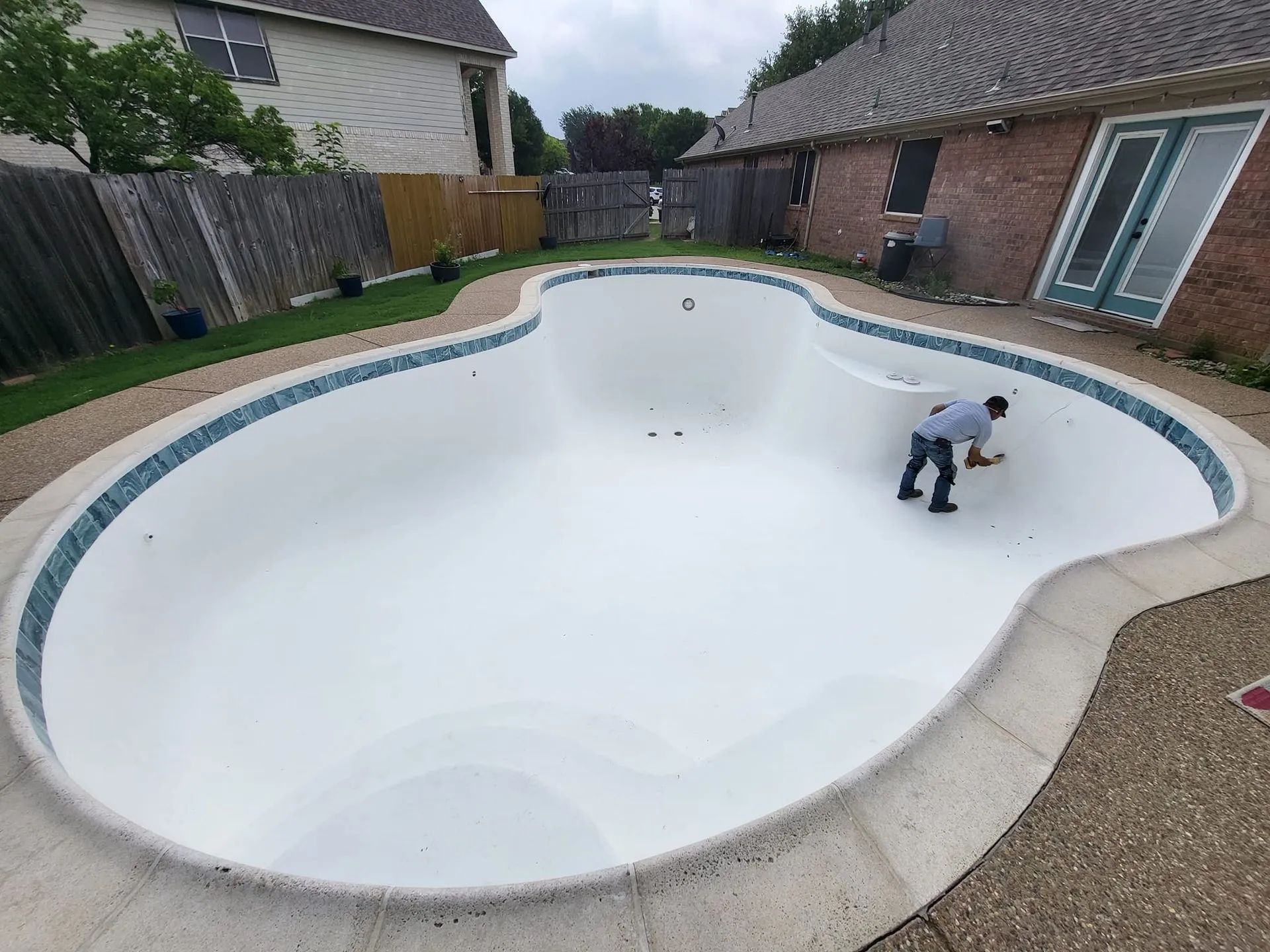
Surfaces that have lost color, sheen, or texture over time not only reduce visual appeal but can indicate chemical degradation, water penetration, or material breakdown. Pools with faded plaster, worn pebble finishes, or stained tiles benefit from full resurfacing or replacement, restoring both aesthetics and structural integrity while extending the pool’s lifespan for decades of continued enjoyment.
Rough or Pitted Surfaces
Smooth, well-maintained pool surfaces are essential for comfort, safety, and hygiene. Rough, pitted, or eroded surfaces can cause skin abrasions, trap dirt and algae, and complicate cleaning efforts. Renovation provides the opportunity to install modern finishes, such as quartz or aggregate surfaces, which improve durability, reduce maintenance requirements, and enhance overall user experience dramatically.
Crumbling Decking and Surrounding Areas
Pool decks and surrounding patios are integral to overall functionality, safety, and visual appeal. Cracked, uneven, or eroded decking can compromise safety, hinder pool access, and detract from appearance. Comprehensive renovation may include deck replacement, improved drainage, updated landscaping, and integration with new pool design for a fully cohesive and safe outdoor environment.
New Title
Experienced Professionals Ensuring Long-Lasting Pool Transformations
Recognizing the difference between a repairable issue and the need for a full pool renovation is essential for maintaining safety, functionality, and aesthetics. Cracks, persistent leaks, outdated equipment, recurring water quality problems, limited design, and aging surfaces are all clear indicators that a renovation is necessary. Acting promptly prevents further damage, reduces long-term expenses, and ensures a safe, enjoyable swimming environment.
Blazin Blue Pool Service
has over 20
years of experience in swimming pool construction, renovation, and maintenance in Fort Worth, Texas. Our expertise allows the transformation of aging, inefficient pools into modern, efficient, and visually stunning spaces. Each renovation project is approached with meticulous attention to detail, advanced techniques, and high-quality materials, ensuring long-lasting results. From resurfacing and structural reinforcement to equipment upgrades and design enhancements, our solutions address every aspect of pool performance and aesthetics. Homeowners trust us for reliable, professional service backed by decades of experience. Choosing Blazin Blue Pool Service
guarantees a renovated pool that combines safety, efficiency, and style, enhancing both property value and lifestyle.